



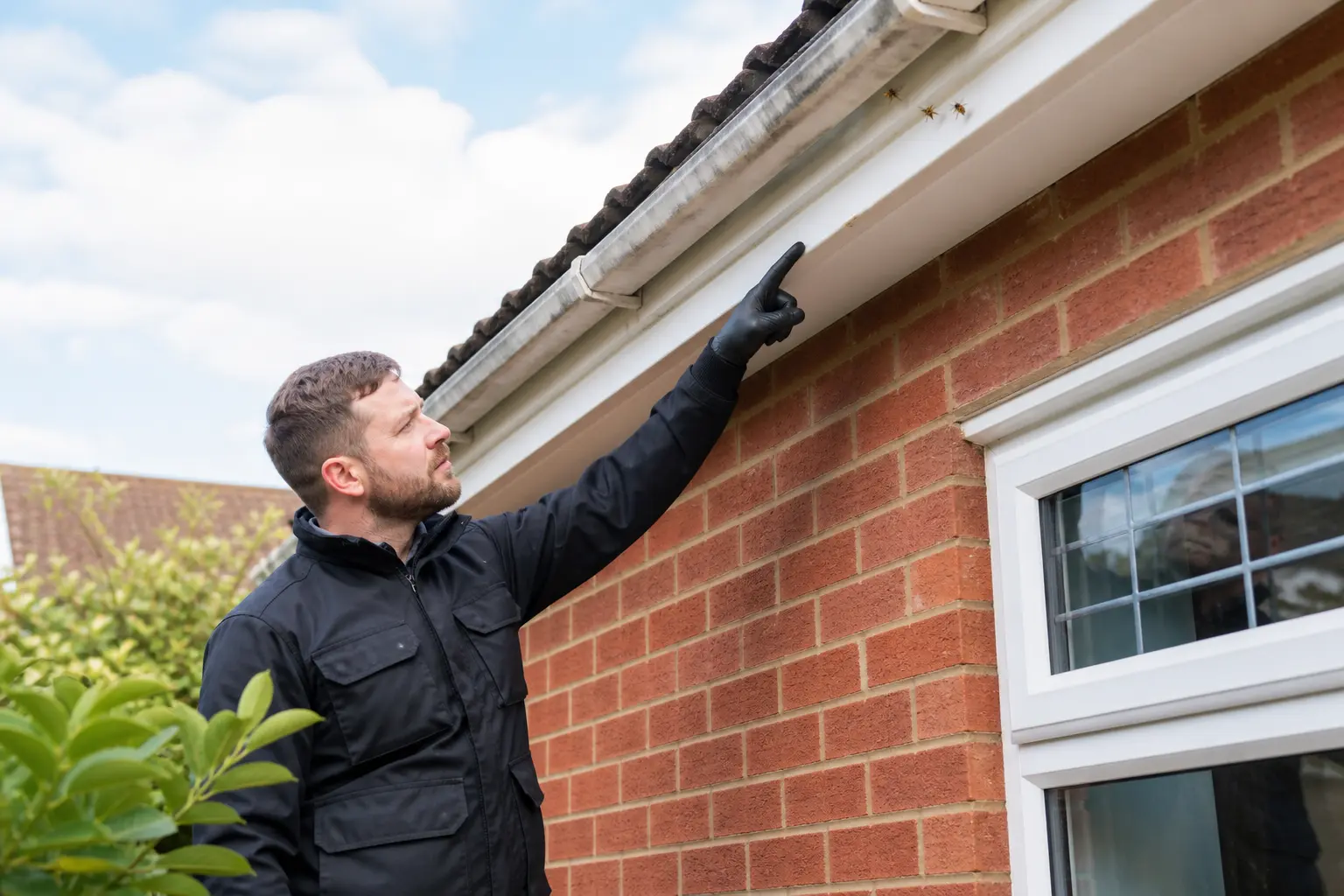
When You Can See the Entry but Not the Nest
Roof and loft wasp nest removal in Stone, Meaford and Oulton covers activity around soffits, fascias, roof tiles, roof voids and wall junctions where the nest itself may be hidden. The visible flight path is useful information and you do not need to expose the nest before calling.
Stay at ground level, avoid opening the loft near the activity and do not seal the gap. Describe the side of the property, approximate height and any safe internal access that may exist.
Specialist Wasp Services
Choose the page that most closely matches the property and access situation.
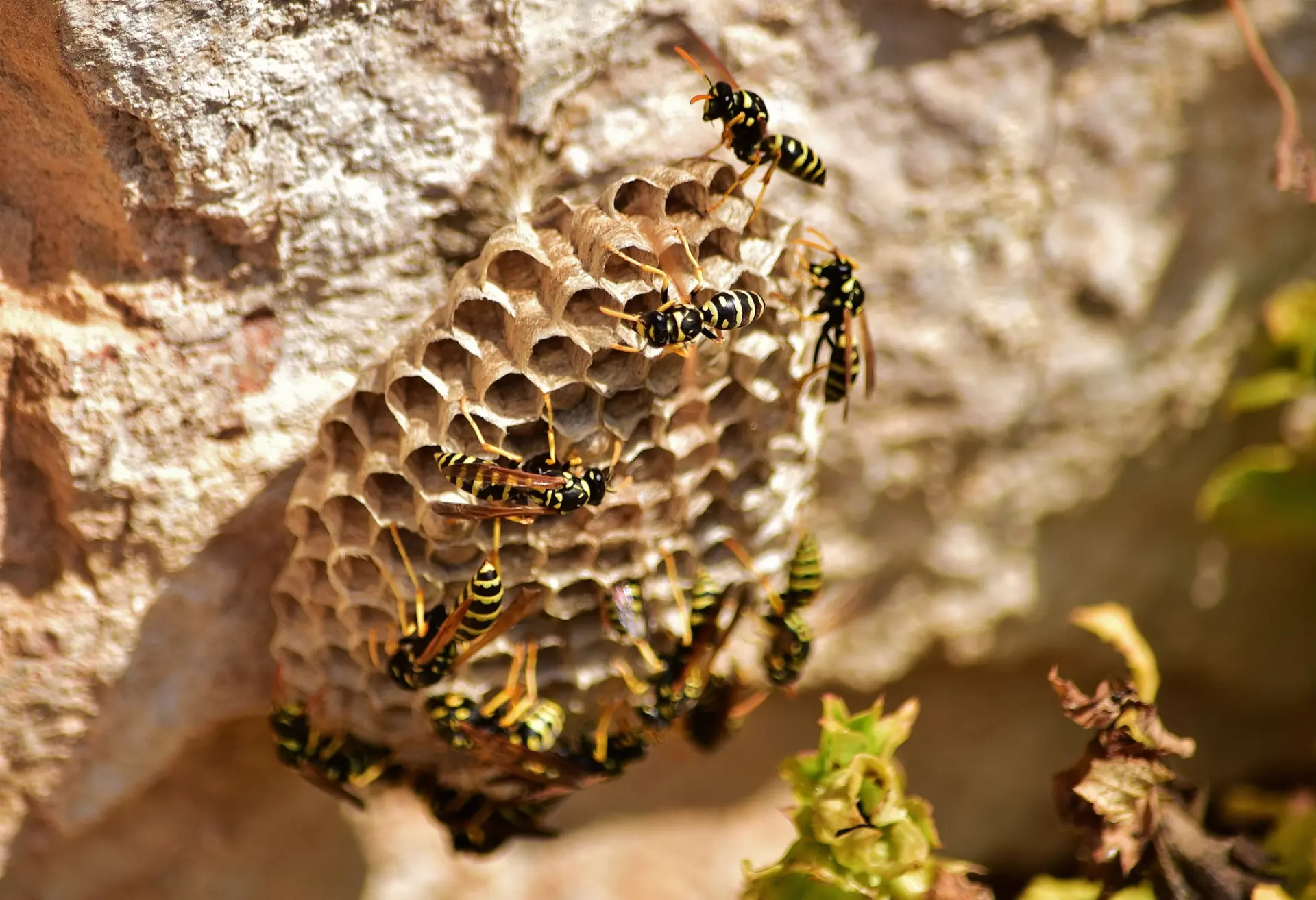
Domestic Wasp Nest Removal
Professional help for active nests around homes, gardens, sheds, garages and rental properties.
Protect Your Home
Commercial Wasp Control
Planned wasp control for shops, hospitality, offices, industrial units and managed premises.
Secure Your Business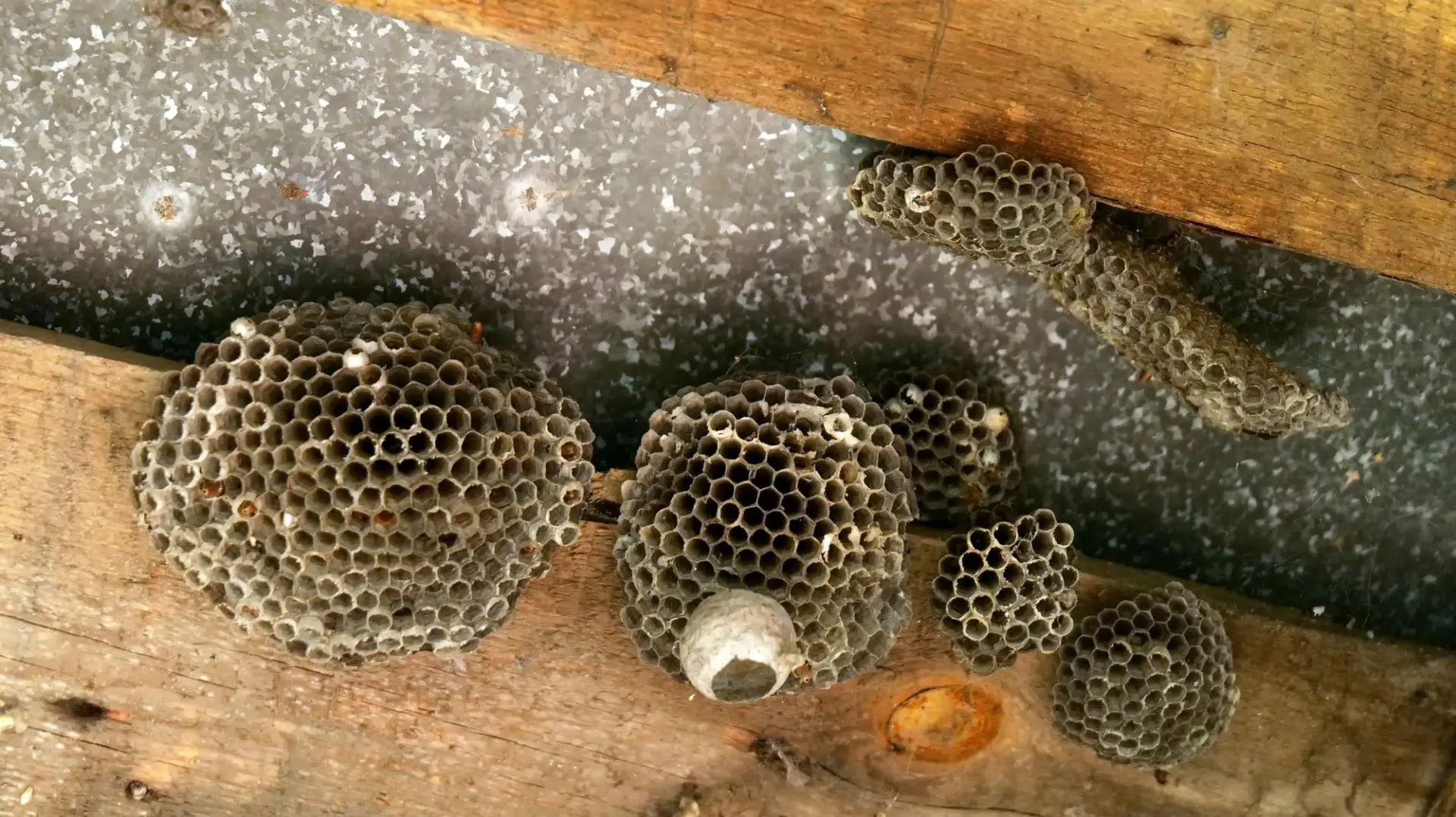
Roof & Loft Wasp Nest Removal
Assessment and treatment for nests around eaves, soffits, roof voids, lofts and wall cavities.
Get Roof Help
Professional Local Response
Staffordshire coverage, evening and weekend appointments, and a genuine 30-minute response to bookings.
Treatment Is Not Always Physical Extraction
A hidden nest can often be professionally dealt with without opening finished ceilings, walls or roof structures.

Active Colony First
The essential task is to eliminate the active colony and make the nest harmless.
The position and access determine whether physical removal is realistic.

Avoid Unnecessary Damage
Opening ceilings, soffits or walls is not automatically part of wasp treatment.
Any repair decision should be proportionate and based on the actual property condition.

Monitor Returning Wasps
Some wasps may return to the entrance after treatment before activity settles.
Do not approach or seal the hole during the advised monitoring period.

Follow-Up Guidance
Call back if activity persists beyond the expected period or appears inside the home.
The published service includes guaranteed removal; ask how it applies to the job.
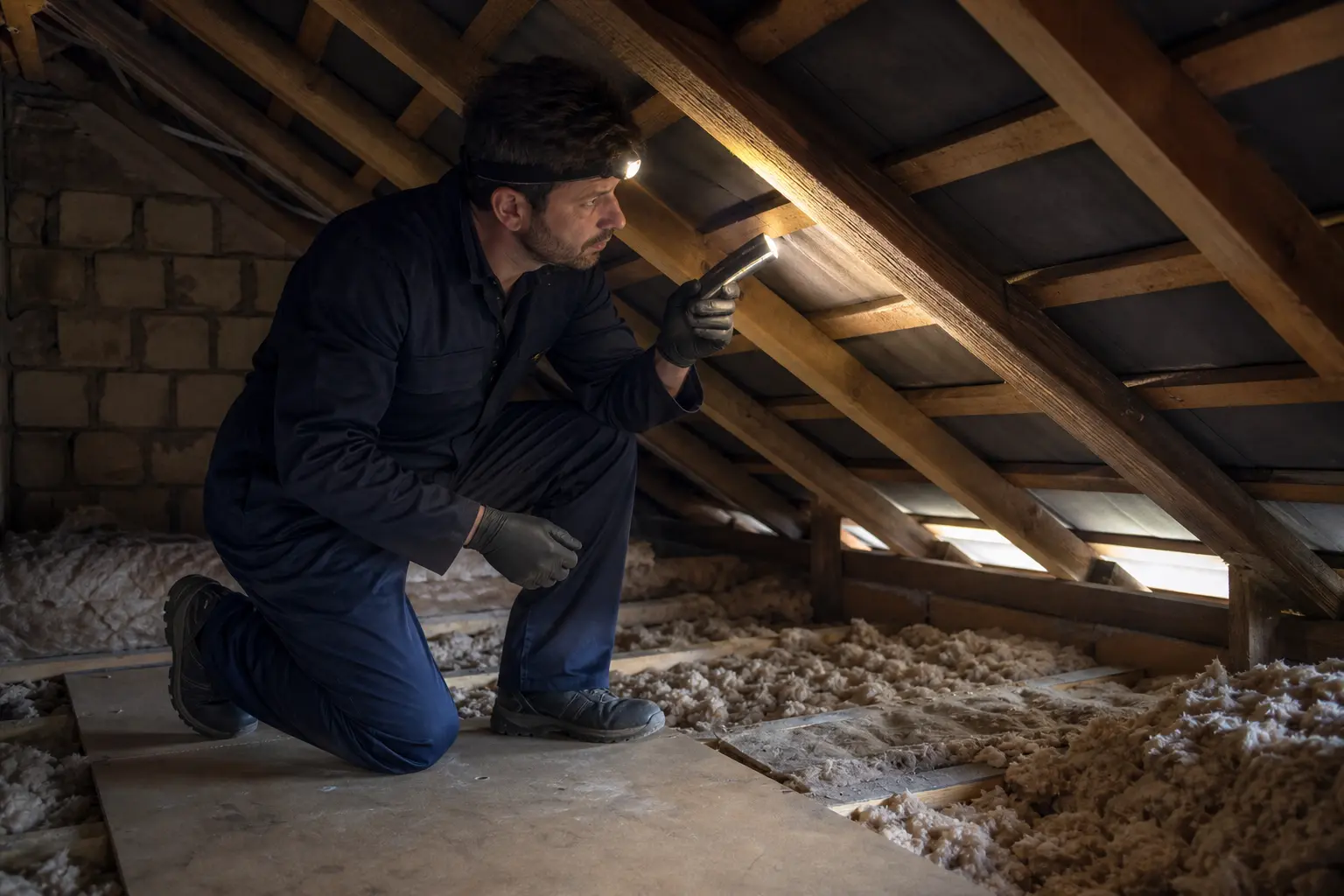
Assessing Roof and Loft Access
A visible flight path can be enough to locate the likely entry even when the nest remains concealed inside a soffit, void or wall cavity.
Stay at ground level and describe or safely photograph the outside position. Pat will consider height, internal access and whether treatment can be completed without physically exposing the nest.
Insured, Guaranteed Wasp Removal
Professional Staffordshire service from trained pest controllers, with clear advice before and after the visit.
Useful Roof-Nest Information
You can help the assessment without approaching the nest or climbing to the entry point.
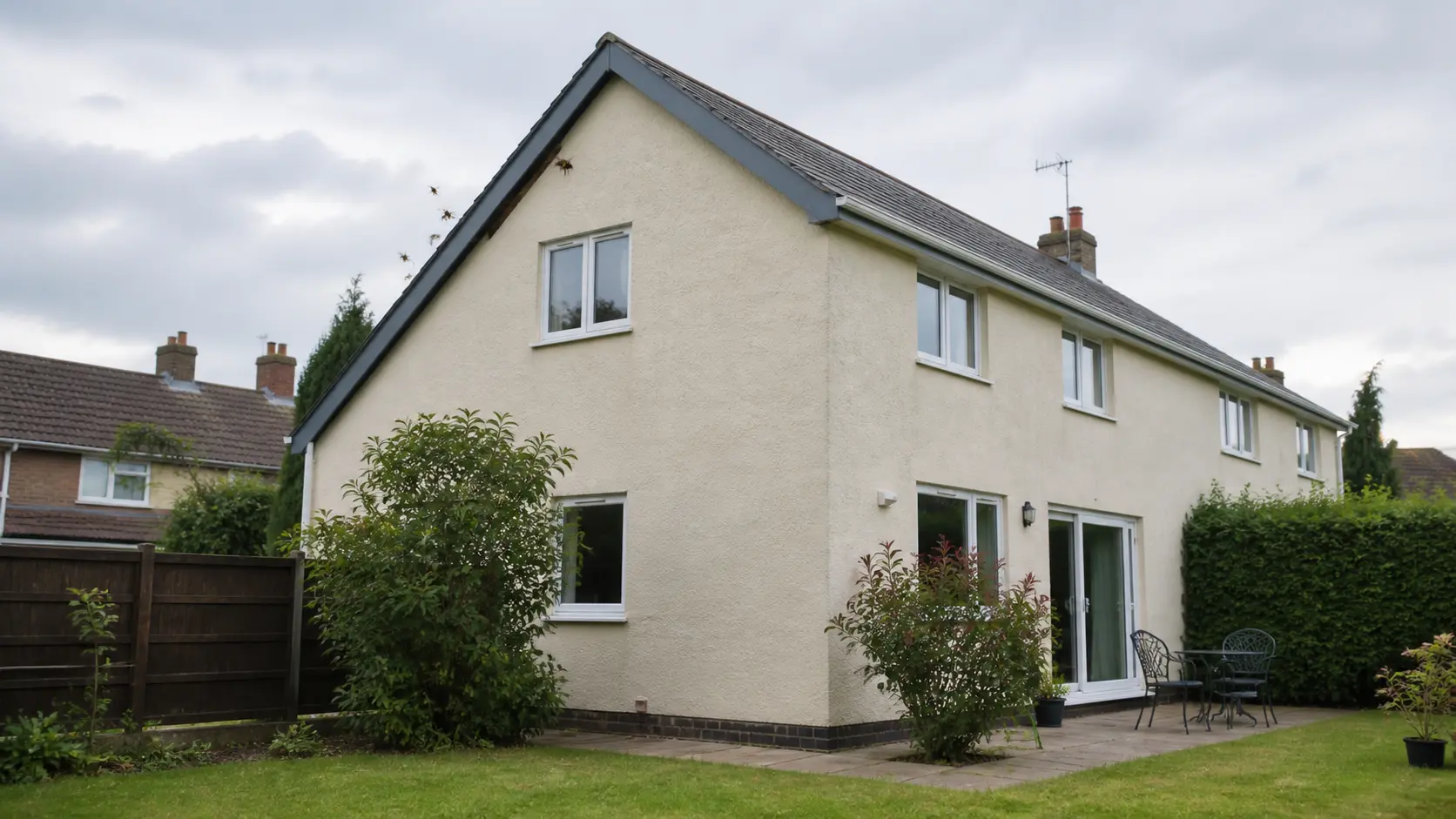
Describe the Elevation
Say whether the activity is at the front, rear or side and estimate the storey or gutter height from the ground.
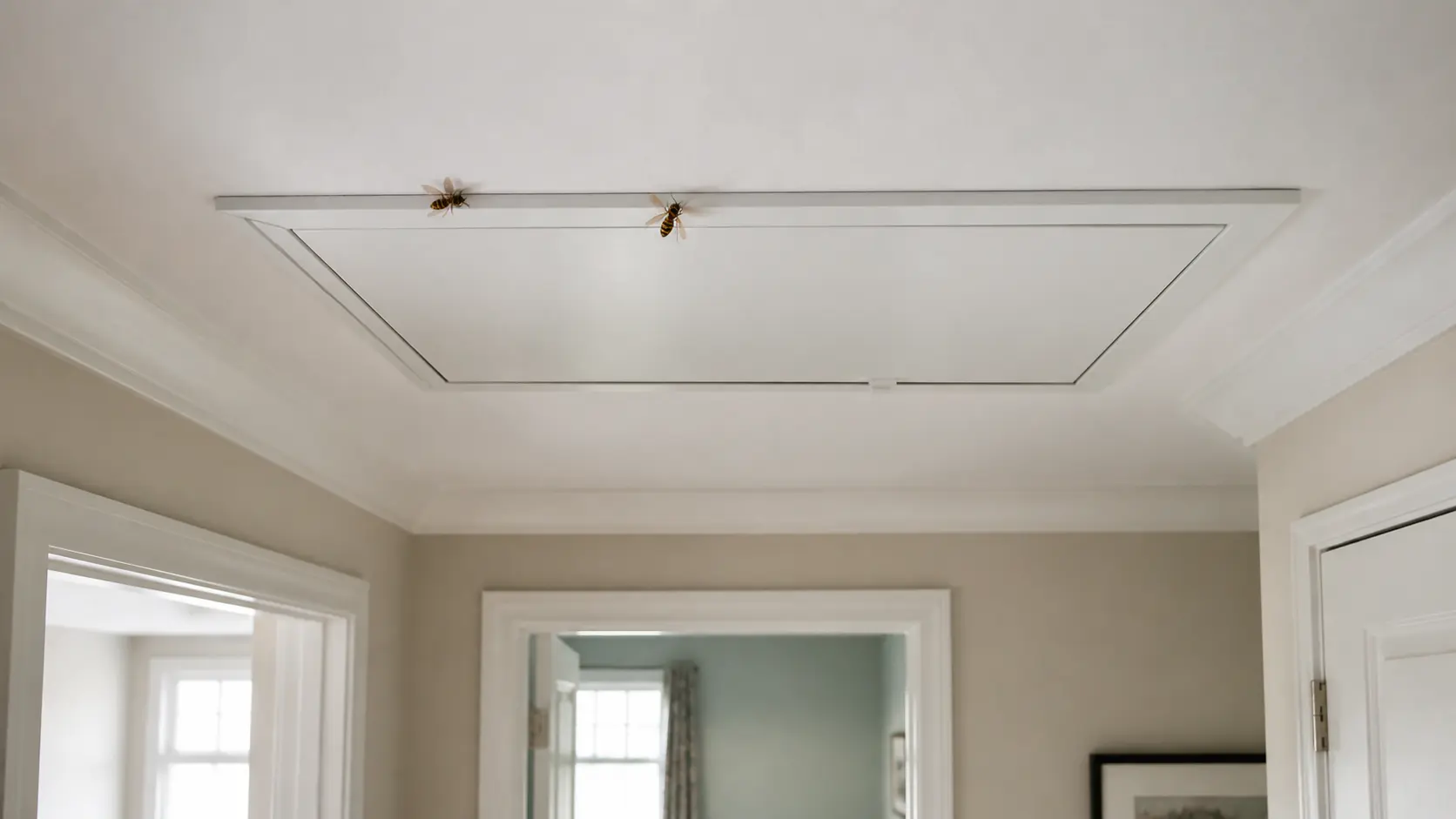
Note Internal Signs
Mention buzzing, visible indoor wasps or activity near a loft hatch, but do not enter a confined area to investigate.
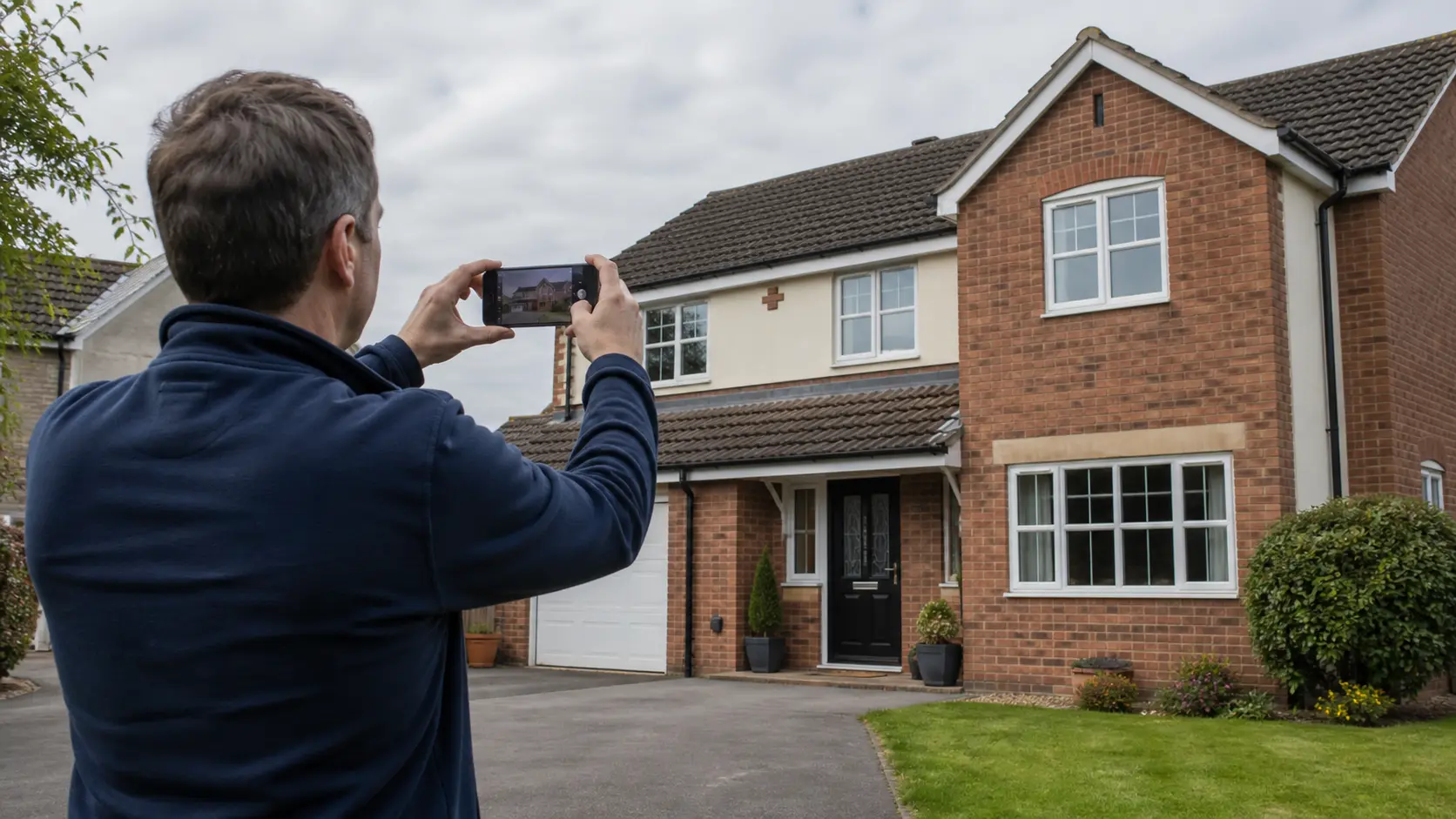
Send a Safe Photograph
If images are accepted, take a wide photograph from ground level showing the building and the entry point rather than moving closer.
Roof and Loft Wasp Nest FAQs
Answers for concealed nests and hard-to-reach entry points.
Can you reach nests in roofs, lofts and wall cavities?
These locations are a specific focus of this service. The safest access and treatment method is chosen after the position, height and property layout are understood.
Do you need to remove the physical nest?
Not always. Treating the active colony may be sufficient when a nest is enclosed behind a finished surface. Physical removal depends on access and whether it can be done safely and proportionately.
Should I enter the loft to find the nest?
No. If the loft is close to active wasp traffic, do not approach or disturb it. Describe what you can safely observe and let the technician assess access.
Can a hidden nest damage the roof?
A nest may disturb small areas of insulation or material, but substantial damage should not be assumed. After activity is controlled, any genuine building defect can be assessed separately.
Call About a Roof or Loft Wasp Nest
Tell Pat where the wasps are entering, the approximate height and whether you have noticed activity inside the property.

Professional wasp nest removal and wasp control for homes and businesses across Staffordshire.
© 2026 Staffordshire Wasp Removal. All rights reserved. Staffordshire Wasp Removal is a part of Malpass Pest Solutions.